
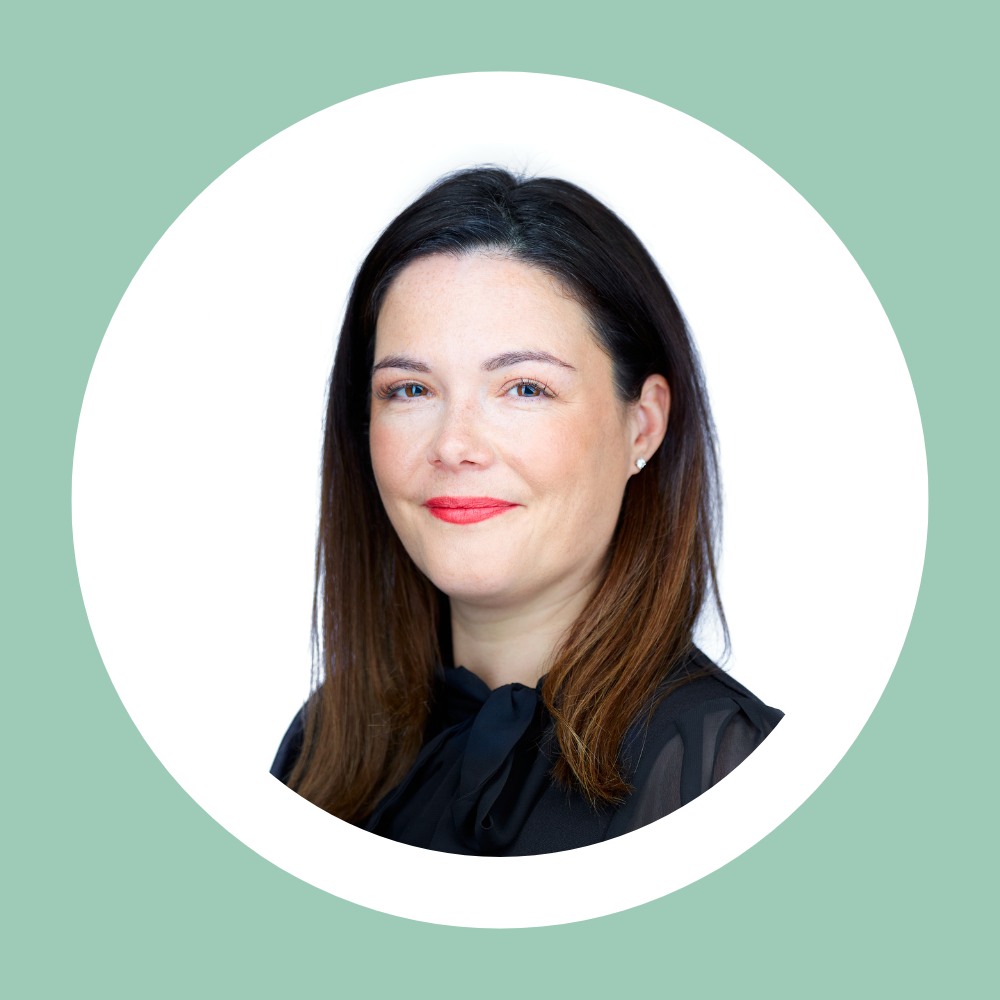
Suzy Astbury, CEO and Owner of Inspired Search & Selection, Advisory Board Member to the Society of Young Publishers and serves on ALPSP’s Training Committee. Under Suzy’s leadership, Inspired is a leading name in publishing recruitment, sourcing diverse talent from entry level to boardroom, and consulting on attracting, retaining, and developing exceptional talent for long-term success.
A massive fan since ‘The Girl on the Train’, Suzy is currently reading Paula Hawkins’ latest novel ‘The Blue Hour’. Fascinated by the connection between journalism and authorship, and a lover of a twisty thriller, Suzy also enjoys reading J. P. Delaney, and anything with a little psychological suspense.
“I've always been very ambitious and driven, and it was important for me to be in a role where I could see progression.”
You were MD of Inspired Selection for 13 years, and now CEO for two. Can you tell us a bit about how you got into publishing recruitment?
I started my career in trade publishing in 2003, and my first role was personal assistant to the Creative Director and the Finance Director of the Quarto Group. It was a really great role because it gave me an overview of the industry globally, not just in the UK. A lot of people coming into their first role don't actually know where they'll thrive, and I was the same, so that was such a good start because I was able to look at all the different imprints, divisions and roles to figure out where I might belong.
A sales and marketing role came up within one of the children's book divisions and I jumped because I knew I'd be really good at that and enjoy it. I was working within the UK market, meeting book buyers, going to book fairs, and then I realised I wanted to travel more. My friends were in foreign rights and a role came up at Michael O’Mara, so I applied for it and got it! I was given some territories to look after and learned how to sell rights of books. I still think foreign rights is the best place to be in publishing. You're selling to other publishers and finding a space on their list where your books might fit. It's lovely problem-solving crossed with researching and understanding how all these different territories and countries work. I loved travelling, meeting amazing people and learning about different elements of culture – but I couldn’t see how I would get to the top without knowing additional languages. I've always been very ambitious and driven, and it was important for me to be in a role where I could see progression.
I knew I’d found my place in publishing and I didn’t want to leave the industry, but I wasn't sure where the next step was. I spoke to my recruiter, trying to figure out where my strengths were, when she had this brainwave where she was like, ‘Why don't you become a recruiter? Come and work with us’. I thought about it long and hard, and eventually realised it sounded perfect for me, so in January 2008, I made the big leap to publishing recruitment. It was an interesting time (just before a big recession!), but it was really good training to enter recruitment in that environment.
“There's a lot of talk of squiggly careers, and those people actually have a really good and broad perception of different roles, and really understand how it all comes together… Do not be afraid of the squiggly career!”
Can you walk us through what your day-to-day looks like?
A publishing recruiter is a really multi-faceted role. You have to wear so many hats because so much of it is relationship building. You're building a network and becoming an expert in a part of publishing, and that means you have to have this really authentic passion for the industry. Understanding the whole spectrum of publishers, from the one-man bands to the big PLCs, understanding who's doing what, who's doing well, where the trends are – and then that ultimate layer of what people need. You’re working as a brand partner with those publishers so you need skills in relationship building, business development, sales, marketing… and on the candidate side, you've got to have really good questioning and listening skills, and understand what candidates want to do in their careers and where they'll fit and where they should be aiming. You’ll advocate for them and give them lots of great advice, and make sure they're going to where they want to be.
I now manage the business, so my day-to-day revolves around strategic decisions. I'm responsible for signing off all the marketing spend, the tech spend, what initiatives we're getting behind, where we can make impact, and ultimately bringing it all together so we're not just being transactional. Inspired is so much more than just placing people in seats around the industry – it’s a part of the industry, so a lot of my role is making sure we're still part of the conversation, knowing what the opportunities and challenges are, and making a positive impact where we can.
There's a lot of talk of squiggly careers, and those people actually have a really good and broad perception of different roles, and really understand how it all comes together. Just because you start your career on the commercial side of things, that doesn't mean it’s where it has to end. Having a commercial understanding of how a business actually works is so powerful because you've taken the end product to market, putting it in the hands of the readers yourself. If you understand that process from the start of your career and then move into editorial or marketing, you can understand the conversations those salespeople are going to have, and can influence them when you're passing over an idea. Do not be afraid of the squiggly career!
“As you move up in your career, there's much more you need to think about. You need to be intentional about your next move.”
What are your top tips for job seekers when searching for and securing a role in publishing?
For entry level, my advice comes back to my start. People find it really hard to get into publishing and I think one of the biggest barriers is a lack of understanding of the different entry points and a fear of trying to enter via these. Whenever we go around universities, colleges, schools and talk about how to get into publishing, in the room we do a live poll, ‘Hands up: how many of you want to get into trade publishing?’ and most of the room put their hands up. ‘Leave your hands up if you want to get into an editorial role’, and some people put their hands down, but you’re left with more or less about 80% of the room. So if you think about trying to get into publishing, 80% of people are trying to get into trade editorial or assistant editorial assistant roles – that's your competition and why it's so hard to break in! Our job is to make sure we're educating people on all the different types of publishing, all the different sectors and all the different roles.
My advice is be curious, do your research, and don't worry about being pigeonholed. And when you get there, have as much impact as you can by being great at your role, learning that role really well and delivering. As a personal assistant, I was able to see how everything works from the bottom all the way up to the top. The directors would all come for their board meetings and I'd take minutes, and could see how the business worked. Take the time to network across different departments, understand how they work with the skills you have and think about where you might fit.
Sometimes, when we first start off, we want to move up the ladder a bit too quickly. It can be better to wait and learn as much as you can in that first role and try to progress within the same company. Other times it's going to move too slow and that's when you should move. When will you know if it’s right? Before it feels really wrong! If you're thinking, ‘I really need a new job’ or ‘I hate this job’, you've probably waited too long.
How does your advice change for those looking to move within the industry?
As you move up in your career, there's much more you need to think about. You need to be intentional about your next move. When you're past your first or second role, you should have a real understanding about where you're most energised. Think about what drives you, what kind of culture you'll thrive in and where you want to grow. What is this next role going to give you? If we’re talking squiggly careers, for example, if you're in sales and marketing but you get curious about rights and whether you would enjoy it, you can intentionally apply for that role. It's about being open but intentional.
One piece of advice I was given that still rings true is to always go for a role that'll stretch you – one that you can't do all of, because that way, you'll always be moving up, even if you're moving sideways. If you're moving sideways, you're learning new skills. If you're moving up, you're stretching. In recruitment, we're really privileged because no one day is the same, and that's what keeps us doing the same thing for so long. If you're in a situation where you're doing the same thing for a whole year and you're not growing, developing or learning anything new, it's probably time for you to make that move. You'll know when the time comes because you'll be brilliant at what you're doing and you'll be reaching to try and do more. Your comfort level will be in a nice place, your confidence level will be at an all-time high and you'll be able to take on more and more. I find it's a much easier decision to make if you sit down once a year and think about what your actual goals are and where you are on the journey to achieving them. Being quite ambitious, I always had a vision board and I’d force myself to think ‘am I getting closer to this?’ about all of the decisions I'd make inside and outside of work - it’s really helped guide me.
It’s also important to consider your personal branding. How do you want the industry to see you? Where do you see yourself going? Keep asking yourself these questions. If you know you want to stay in an organisation but there isn't a role to step up into, looking for some extracurricular activity to get your brand and name out into the industry is a really good move. Think about mentorship, joining organisations like The FLIP that look for volunteers, or just simple networking. I don't know anyone who would say they love networking but if you prepare, it’s so much easier – and I actually do love it once I’m doing it!
In this hybrid era, you have to work harder to increase your presence. It’s not up to your boss or your organisation – it really is up to you. When you’re at the office, say hello to people. Don't just walk to your desk and log on, get to know the people that you pass by on your way there. Say ‘Good morning, how are you?’ It sounds so basic, but sometimes we forget how much of an impact saying hello can have. For leaders, make sure that if your team is in, they feel like it was a good decision for them to make the commute that morning. Human interaction can really switch a day around.
“If you're moving sideways, you're learning new skills. If you're moving up, you're stretching.”
If you could change anything about the industry to make it more accessible, what would you change?
There are clear areas that we all need to work on, and the recent transparency over reporting data has made such a massive impact. For Inspired, it has given us a clear plan of action as to where we can make the most impact in the industry. There are areas that still need to be better and that people are working on, including better representation of those from underrepresented backgrounds - I’d really like to see more visible senior people as role models. When I joined the industry back in 2003, I was so lucky to have had role models like Gail Rebuck and Vicky Barnsley that I could look to – they proved to me that it was possible to get to the top. The visibility of women in leadership roles was so important to me and I’d like to see it happen more. There are some terrific female leaders coming through now and there are also incredible networks, both offering external influence and inspiration.
I’m very passionate about job shares at the moment. There was an article in The Bookseller back in July that really got to me. We’re haemorrhaging talent out of an industry that is 75% female, when, at a certain age, these women just can’t get the flexibility that they need in their jobs. It inspired me. I’ve been looking at building more job shares, trying to bring roles together — matchmake, if you will — and place them across the industry. That’s something I’m going to be really focusing on in 2026. I’ll be running events to bring people together in different departments, to see what we can do to try and retain more of that talent, whilst also giving publishers incredible job shares. Two brains for one role — it’s brilliant and a no-brainer, in my opinion. Yes, it’s a bit more work, but that’s the beauty of recruitment — it’s what we do all day every day. So that’s the value we bring - we don’t just look at one area of accessibility but everything as a whole.
“Every day, I focus on what will make work easier and more energising for my team – are they using their skills, enjoying their tasks, and feeling motivated?”
Inspired Selection have been deemed one of the top 10 small businesses to work in by The Sunday Times — what is it about Inspired Selection that you think earns it that title?
100% the people. They make the business and the culture, and the culture then drives everything that we do. We’re really lucky at Inspired because all the people have been with us for a minimum of five years. Our retention is amazing, and because of that we’ve been able to grow a really inspiring, lovely culture.
A lot of companies create values for corporate branding, but no one could ever remember what ours were, so we recreated them to ensure they’re authentic. They are Empowering, Collaborating, Kindness and Inclusiveness, and we make sure that they shine through in every meeting, piece of content, idea, event and outreach. It makes it really easy to become an amazing place to work. We’re constantly asking: how can we collaborate with each other, our clients, the candidates, the wider industry – and how can we be kind? Why would we want to work anywhere else?
When I took Inspired over, it was not in a great place. The culture was driven by fear and we were part of a group that wasn’t doing very well, partly due to the economic environment. I set out to make it a really nice place to work – investing in its staff, its systems and the company. I’ve done that every single year since. Every day, I focus on what will make work easier and more energising for my team – are they using their skills, enjoying their tasks, and feeling motivated? Every strategic and tech-based decision I make is designed to make their jobs more enjoyable, so the people they interact with get the very best from them.
We also don’t wait for someone like The Sunday Times to give us a prize — we have internal quarterly Inspired Excellence Awards that go to people who have shown terrific examples of kindness or collaboration or empowerment or inclusiveness. Our biannual appraisals are based on those values too, making sure that we are living and breathing them. Creating values is not an exercise you do once and then forget about; it’s something that we really do think about all the time.
Tell us about another woman in publishing who inspires you.
There’s so many – including all of you at The FLIP, by the way! I feel very privileged to be surrounded by really incredible, powerful, strong, intelligent women who make great impact. Having somebody who inspires you, makes you want to be better, teaches you something, empowers you, or shows the traits that you want to embody is so important.
I could go on and on, so I will break it down to the last quarter or so. Bunmi Western from Ingram is utterly brilliant at what she does. She is just so smart. I love her strength, her authenticity, and I love being around her. Jenny Ridout from Bloomsbury is so clever and leads with such calmness and clarity - and has the most incredible team as well. She’s done so well in her career, and the way that business is pivoting is really inspiring. Vicky Williams, the CEO of Emerald, is so dynamic. Karine Marko from Quarto has inspired me my whole career. She was one of the first people I met at Quarto and she ran a rights team then, where she was known as this formidable director, and now to see her running that company is brilliant… literally, the job was made for her. As I said, I could go on!
The FLIP are proud supporters of independent bookshops and are an affiliate of Bookshop.org. If any of our recommendations take your fancy, we'd be so grateful if you click through our links directly to make a purchase as we earn a small commission - all of which goes back into bringing The FLIP's mission to life and to allow us to keep bringing you the content you want to see.
